Where this comes from
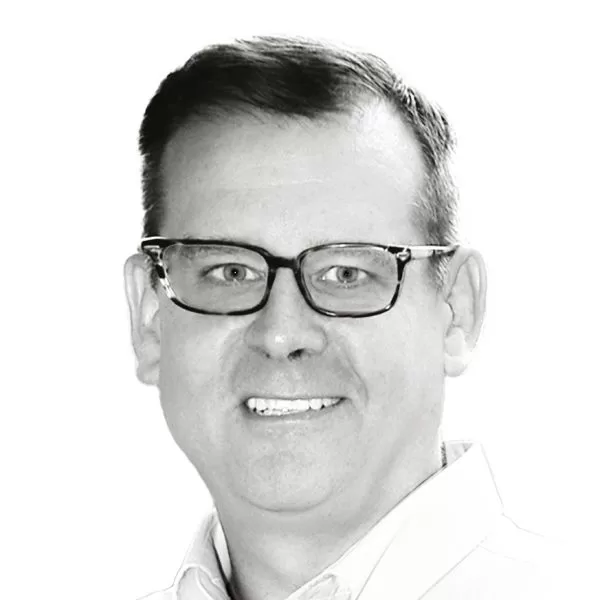
I came to this work through personal experience with these dynamics, and it was not a small thing. It took me until my forties to understand what it had actually cost me. By then I had done years of therapy, some of it useful, none of it sufficient. The thing that wasn't moving was something underneath the insights. A persistent sense of wrongness that the understanding hadn't touched.
NARM addressed that. Not by processing the past, but by working with what the past had organized me around: the shame, the self-doubt, the protective patterns that had made sense once and were now running my life without my permission. That experience is what brought me to train in this model and eventually to build a practice around it.
That history is directly relevant to this work. It's a large part of why I do it.
Experience
For four years I facilitated a private support group for survivors of narcissistic abuse. It grew to over 500 members, met every week, and holds a five-star rating from 900 reviews on Meetup. That kind of sustained exposure, sitting with hundreds of people describing the same wound from different angles, in different families, different cultures, different decades of their lives, taught me things that training alone doesn't.
The patterns underneath the stories. The specific gap between knowing what happened and no longer living from it. The particular way this wound makes people doubt the very perceptions that are most accurate.
That, combined with years of individual coaching, is what I bring to sessions.
Training
I am a NARM-Informed Professional, trained in the NeuroAffective Relational Model developed by Dr. Laurence Heller. I have a Bachelor of Arts in Psychology from the University of Virginia, member of Psi Chi International Psychology Honor Society.
What this is, and what it isn't
This is coaching, not licensed psychotherapy or crisis care. I don't diagnose or treat. What I offer is a slow, relational, client-led space for the part of recovery that comes after understanding, where insight alone hasn't been enough to change how things feel from the inside.
If you're in crisis, please contact the 988 Suicide and Crisis Lifeline by calling or texting 988.
How I work
Sessions are client-led. You bring what's present. The work follows from there.
I don't operate from a fixed protocol or a predetermined arc. NARM doesn't focus on symptoms or try to process the past directly. It works with what's happening now, and with the organizing beliefs and identifications that formed early, for reasons that made sense at the time, and that insight alone hasn't been enough to change.
Most of the people I work with are not new to this material. They've read the books. They understand the dynamics. The question they're sitting with isn't what happened, it's why they're still living from it.
That's the specific territory this work addresses.
The movement in all of us is toward connection, health, and aliveness. The work is to stop standing in its way.